Strengthening children's immune systems – What really helps? Scientifically sound strategies for healthy immune defenses

Introduction: Why is the cold back again?
Imagine you've just sniffled your child's last runny nose, the nights are finally getting quieter again, and then the phone rings: "Could you please pick up Leon? He's burning up and coughing." Your heart sinks. Not again. The balancing act between work, childcare, sleepless nights, and worrying about your little one starts all over again. It's a feeling almost all parents know—that mixture of exhaustion and the urgent desire: "I just want my child to be healthy."
Perhaps you've already asked yourself: Am I doing something wrong? Is something wrong with him? Or is this simply "normal"? The good news first: A frequently ill child isn't necessarily a sign of weakness, but often a sign of hard work – the work of an immune system that's currently completing its "studies." But, as with any course of study, there are conditions under which learning is more effective.
Health isn't a matter of chance, and a strong immune system isn't a lottery win. It's the result of complex biochemical processes that we can significantly influence through our lifestyle. In this article, we delve deep into physiology. We won't be looking at which homeopathic remedies might help, but rather analyzing what happens at the cellular level when your child receives vitamin D, why the gut is the headquarters of the immune system, and how you can break free from the cycle of infections with small, scientifically sound steps. We translate complex science into your everyday family life.
How does the immune system develop biologically and immunologically in children?
To understand how we can help, we need to understand what's happening in your child's body. A child isn't born with a fully developed immune system. It's more like a computer with a brand-new operating system, but without a virus scanner database installed.
From a biological perspective, we distinguish between two lines of defense:
The innate (non-specific) immune system: This is the rapid response team. It is present from birth. It includes physical barriers (skin, mucous membranes), chemical barriers (stomach acid), and specific phagocytic cells (macrophages, granulocytes). This team attacks anything that looks foreign but doesn't learn from its mistakes.
The acquired (specific) immune system: These are the specialized agents (T lymphocytes and B lymphocytes). They must first become familiar with each pathogen. When a child comes into contact with an adenovirus for the first time, it takes days for the appropriate antibodies to be produced. The second time, the system remembers (immunological memory) and reacts immediately.
This learning process is crucial. In the first few years of life, a so-called "Th1/Th2 switch" takes place. Newborns have a predominance of Th2 helper cells (important for pregnancy tolerance), but after birth they must establish a balance with Th1 cells, which are responsible for defending against bacteria and viruses. This switch only occurs through contact with the environment – that is, through infections and microbes.
This means: Every infection is a training session. A child who is never sick has an immune system that has never been to the gym. However: The training must not permanently overtax the body (chronic inflammation).
🧩 Coaching impulse: VMC module immune balance
Don't view the next feverish infection as a "system error," but rather as a necessary update to your child's viral database. Ask yourself: Does my child have enough resources (sleep, nutrients) to successfully install this update?
Why are children in daycare and school particularly susceptible to infection?
It's not just biology, it's also the sociology of microbes. From an epidemiological perspective, daycare centers and schools are "high-risk areas." Why? Because many immunocompromised individuals (children without antibody memory) come together in close proximity there.
Then there's the issue of hygiene. Or rather, the lack thereof in children. Hand-to-mouth contact is the primary way toddlers explore. Toys are shared, sucked on, coughed on, and sneezed on. The viral load (the amount of virus transmitted) is extremely high in such settings.
Another often underestimated factor is stress. Yes, children experience stress too. Separation from their parents, the noise level in the group, social conflicts – all of these increase cortisol levels. Cortisol is a stress hormone that, in persistently high concentrations, suppresses the immune system (has an immunosuppressive effect). A child who feels uncomfortable or overstimulated at daycare is physiologically more susceptible to viruses than a relaxed child.
The gut microbiome: The headquarters of the immune system
This brings us to one of the most exciting fields in modern medicine. Did you know that approximately 70–80% of all immune cells reside in the gut? The so-called GALT (Gut-Associated Lymphoid Tissue) is the largest collection of immune cells in the body.
The gut is not just a digestive tract. It's an ecosystem. Trillions of bacteria (the microbiome) communicate directly with immune cells, training them. A healthy microbiome ensures that the intestinal barrier is intact (no "leaky gut") and that immune cells learn to distinguish between harmless food proteins and dangerous pathogens.
If the gut flora is disrupted – for example, by excessive sugar consumption, antibiotic use, or a lack of fiber – the immune system suffers. Dysbiosis (an imbalance of bacteria) leads to silent inflammation. The immune system is then constantly occupied with calming the gut and has less capacity to fight off flu viruses in the nose.
Cause-and-effect chain:
A diet high in sugar → feeding of bad bacteria/fungi → dysbiosis → inflammation of the intestinal lining → activation of the immune system in the gut → fewer resources for fighting respiratory infections.
🧩 Coaching impulse: VMC module Digestion & Gut Flora Micro-goal:
This week, incorporate a small portion of fermented food or prebiotics into your baby's daily diet. A small cup of natural yogurt, a piece of sourdough bread, or grated apple (pectin) will nourish the good bacteria in your baby's gut.
Micronutrients: The ammunition for immune cells
A car won't run without gasoline, and a T-cell won't fight without zinc. Many children in Germany are calorie-oversupplied but micronutrient-deficient ("hidden hunger"). Let's look at the "Big Three" for the immune system:
1. Vitamin D – The immune modulator
Vitamin D is actually a hormone. It regulates over 2,000 genes. Immune cells have vitamin D receptors. Without sufficient vitamin D, the "killer cells" cannot be activated. Studies clearly show that a low vitamin D level correlates directly with a higher rate of respiratory infections.
Problem: In our latitudes, synthesis via sunlight is practically impossible from October to April. Children also spend a lot of time indoors.
2. Zinc – The Guardian of Barriers
Zinc is essential for cell division. Since immune cells must multiply rapidly during an infection, zinc is immediately consumed in large quantities. Furthermore, zinc strengthens the mucous membrane barrier, making it more difficult for viruses to penetrate.
3. Omega-3 fatty acids – The fire brigade
Omega-3 fatty acids (especially EPA and DHA) are crucial for reducing inflammation. An acute immune response (fever, redness) is beneficial, but it must also subside. Omega-3 fatty acids are precursors to inflammation-resolving messenger substances (resolvins). Without them, inflammation persists and weakens the body in the long term.
nutrient | Function in the immune system | Good sources for children |
Vitamin D | Activation of T cells, production of antimicrobial peptides | Fatty sea fish (salmon), egg yolk, supplementation (after consultation with a doctor) |
zinc | Cell division, wound healing, virus replication inhibition | Beef, rolled oats, pumpkin seeds, lentils |
Omega-3 | Anti-inflammatory effect, cell membrane fluidity | Algae oil, fish oil, walnuts (ALA only), salmon, mackerel |
🧩 Coaching Tip: VMC Module Energy & Cell Health Checklist: When did your child last eat fatty fish? Does your child eat nuts or seeds? Check their vitamin D levels (or discuss supplementation with your pediatrician), especially during the winter months.
Nutrition: What strengthens, what weakens?
"You are what you eat" is doubly true for growing children. We've already talked about sugar. But why is it so problematic? Sugar competes with vitamin C for entry into white blood cells. High blood sugar levels can reduce the phagocytic capacity (the ability to engulf bacteria) of immune cells by up to 40% for several hours. So, if you give your sick child liters of sweetened tea or cola, you're crippling their immune system precisely when it needs to work hardest.
What strengthens us? Colorful diversity (polyphenols). Plant compounds give fruits and vegetables their color and protect the plant from pests. In the human body, they have antioxidant and anti-inflammatory effects. An apple is good, but berries (dark pigments) are a superfood for the cells.
Highly processed foods: These often contain emulsifiers and trans fats, which damage the intestinal lining and promote inflammation. A child whose diet consists mainly of pasta with ketchup may get calories, but not the building blocks for a strong immune system.
Is there scientific evidence for probiotics in children?
Yes, they do exist, but a distinction must be made. Probiotics are live microorganisms that offer health benefits. Meta-analyses (summaries of many studies) show that certain strains, such as Lactobacillus rhamnosus GG or Saccharomyces boulardii, can shorten the duration of diarrheal illnesses. There is also positive data regarding the prevention of respiratory infections, showing a reduction in sick days.
However, it's important to note that probiotics are not a long-term medication for everyone. They are particularly beneficial after a course of antibiotics to rebuild the damaged microbiome (a process known as "rewilding" the gut). A permanently healthy gut benefits more from a fiber-rich diet (prebiotics) that feeds the existing beneficial bacteria.
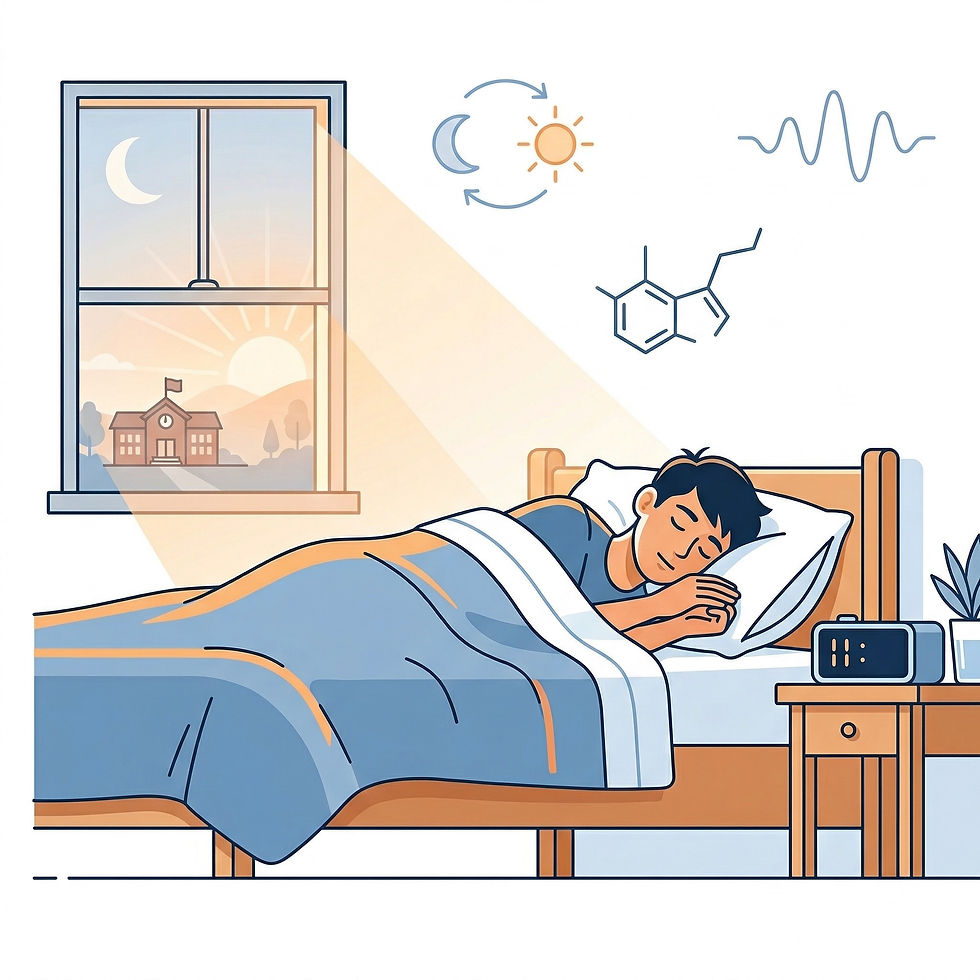
How does lack of sleep affect the immune system?
Sleep is the body's workshop time. While your child sleeps, something immunologically magical happens:
Cytokine release: Certain messenger substances that are necessary for the defense against infection are primarily released during sleep.
Memory formation: Just as the brain stores vocabulary during sleep, T cells store information about pathogens during sleep.
School-aged children often need 9–11 hours of sleep, toddlers even more. Chronic sleep deprivation leads to elevated cortisol levels and a reduced number of natural killer cells. A tired child is a child more susceptible to infections.
🧩 Coaching tip: VMC module Regeneration & Sleep Routine Check:
Is the bedroom dark enough (for melatonin production)? Are screens switched off at least 60 minutes before bedtime (blue light disrupts sleep)? Establish an evening ritual that provides security and calm to lower cortisol levels.
Exercise and sunlight: Natural boosters
Movement acts like internal lymphatic drainage. Our lymphatic system transports immune cells, but it doesn't have its own pump like the heart. It needs muscle movement. When children romp, run, and climb, they pump their immune cells throughout their bodies.
Sunlight is more than just vitamin D. The full light spectrum (including infrared) has a positive effect on the mitochondria (the powerhouses of the cells). Daylight in the morning also regulates the circadian rhythm (the body's internal clock), which in turn promotes good sleep and hormonal balance.
But beware: the "open window effect." After extremely intense physical exertion, the immune system is temporarily weakened. In children, this rarely happens through sports, but often through getting chilled. Playing outside in all weather is great – but only with appropriate clothing.
Are dietary supplements useful or unnecessary for children?
Opinions differ on this point, but biochemistry is clear: a deficiency must be corrected. The German Nutrition Society (DGE) recommends "dietary supplements only in cases of proven deficiency." This is correct, but in practice often too late.
The VMC stance: prevention instead of reaction.
It 's not about blindly giving children pills. It's about specifically supplementing what the modern lifestyle no longer provides.
Useful: Vitamin D in winter (since there is no self-production), Omega-3 (if no fish is eaten, which is often the case with children).
Conditionally useful: Multivitamins (often too low in dosage or containing sugar/fillers).
Unnecessary: High-dose preparations without medical consultation or "immune juices" from advertising that consist of 90% sugar.
How can you recognize a true immunodeficiency?
Many parents fear an immunodeficiency. But true, congenital immunodeficiencies are rare. When should you be concerned? The medical "red flags" are:
More than 8-10 ear infections per year? No, more like more than 4 purulent middle ear infections per year.
More than 2 severe cases of pneumonia per year.
Growth disorders (child does not gain weight, does not grow).
Abscesses (recurring) on the skin or in organs.
Intravenous antibiotics are necessary because tablets are ineffective.
A child who has a normal viral infection (cough, runny nose, slight fever) 8 to 12 times a year, which heals on its own after a few days, is not immunocompromised. It is "immune training".
Prevention strategies: How do we reduce infections in the long term?
We can't eradicate viruses, but we can strengthen the host (the child). Prevention isn't a single step, but a lifestyle.
The difference between acute reaction and chronic stress
An acute immune response (fever) is healthy. It shows that the body is working. Fever kills bacteria and accelerates the metabolism of immune cells. Reducing a fever immediately (once the child is stable) deprives the immune system of its most important tool.
Chronic inflammation (silent inflammation), on the other hand, is dangerous. It arises from persistent stress, poor diet (sugar, trans fats), environmental toxins, and lack of exercise. It keeps the immune system in a constant state of alert, so that it can no longer react adequately to new pathogens or overreacts (allergies).
Action guide: The 5 pillars of strong child protection
Increase nutrient density: Move away from "empty calories" and towards nutrient-rich foods. Hide vegetables in sauces, use nut butters, and offer high-quality oils.
Gut health: Drastically reduce sugar. Offer fermented foods. Always use probiotics/symbiotics after antibiotics, in consultation with your doctor.
Rhythm & Sleep: Prioritize sleep over all other activities. Sleep is essential for the immune system.
Nature & dirt: Let your child play in the dirt. Excessive hygiene in the home is more likely to be harmful (hygiene hypothesis). Handwashing is good, but a sterile environment is not.
Stress reduction and emotional security: Cuddling, providing security, and reducing stress in everyday family life. Oxytocin (the cuddle hormone) is an antagonist of cortisol.
Summary
A child's immune system needs to learn. Infections are training, not a malfunction.
The gut is the center of health. Sugar damages the gut flora and directly inhibits the immune system.
Essential nutrients such as vitamin D, zinc and omega-3 are often lacking and should be specifically optimized through diet or supplements.
Sleep and stress management are just as important as vitamins. Cortisol suppresses the immune system.
Fever is a help, not an enemy. It should be allowed to run its course (in a stable child) to support the immune system.
Prevention means avoiding chronic inflammation through a healthy lifestyle, so that the body has strength to fight off acute pathogens.
Your VMC action plan for this week:
Choose one area (e.g., sleep or breakfast) and improve it by 10%. Not perfect, but better. Maybe tomorrow you'll have oatmeal with nuts and berries for breakfast instead of toast with Nutella? That's the first step towards a stronger immune system. You can do it!
Sources & Studies
Gut microbiome and immune development
Gensollen, T., et al. (2016). How colonization by microbiota in early life shapes the immune system. Science. DOI: 10.1126/science.aad9378
Vitamin D and respiratory infections
Martineau, AR, et al. (2017). Vitamin D supplementation to prevent acute respiratory tract infections: systematic review and meta-analysis of individual participant data. BMJ. DOI: 10.1136/bmj.i6583
Zinc for the treatment of colds
Hemilä, H. (2017). Zinc lozenges and the common cold: a meta-analysis comparing zinc acetate and zinc gluconate, and the role of zinc dosage. JRSM Open. DOI: 10.1177/2054270417694291
Sugar and phagocytosis
Sanchez, A., et al. (1973). Role of sugars in human neutrophilic phagocytosis. The American Journal of Clinical Nutrition. DOI: 10.1093/ajcn/26.11.1180
Probiotics for respiratory infections
Wang, Y., et al. (2016). Probiotics for prevention and treatment of respiratory tract infections in children: A systematic review and meta-analysis of randomized controlled trials. Medicine (Baltimore). DOI: 10.1097/MD.0000000000004509
Sleep and immune system
Besedovsky, L., Lange, T., & Born, J. (2012). Sleep and immune function. Pfluger's Archive - European Journal of Physiology. DOI: 10.1007/s00424-011-1044-0
Stress and immunity in children
Boyce, W.T., et al. (1995). Psychobiologic reactivity to stress and childhood respiratory illnesses: results of two prospective studies. Psychosomatic medicine. PMID: 7488975.
Omega-3 and inflammation reduction
Serhan, C.N. (2014). Pro-resolving lipid mediators are leads for resolution physiology. Nature. DOI: 10.1038/nature13479
The hygiene hypothesis
Strachan, D.P. (1989). Hay fever, hygiene, and household size. BMJ. DOI: 10.1136/bmj.299.6710.1259
Movement and immune system
Nieman, D.C., & Wentz, L.M. (2019). The compelling link between physical activity and the body's defense system. Journal of Sport and Health Science. DOI: 10.1016/j.jshs.2018.09.009